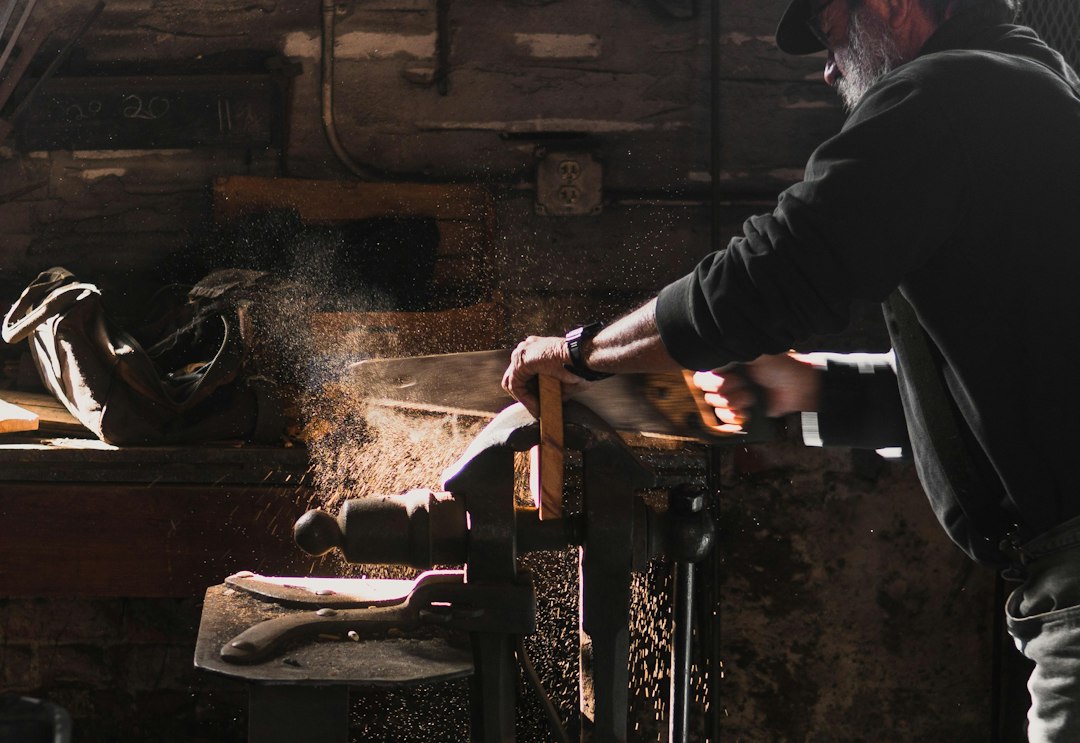
Future-Ready Skills. Rooted in Community.
Oregon Design Library develops hands-on learning pathways in engineering, technology, design, skilled trades, media, and community problem-solving.
We help students turn curiosity into capability, capability into meaningful work, and meaningful work into stronger communities.
The next phase of Oregon Design Library is being developed in Eastern Oregon through listening, partnership building, and locally relevant pilot projects.
Education That Leads Somewhere
Education should help people understand the world, build useful things, solve real problems, and create a path toward meaningful work.
Oregon Design Library connects students with projects, tools, mentors, educators, employers, and community partners. The goal is not simply exposure to technology. The goal is capability.
Participants develop practical skills, confidence, completed work, documentation, and a clearer understanding of where their abilities can take them.
From an Idea to a Real Outcome
Oregon Design Library uses a practical project cycle that mirrors how engineering, design, skilled work, and community problem-solving happen in the real world.
1. Explore
- Identify the problem
- Understand people, place, history, needs, and constraints
2. Design
- Research options
- Develop ideas, plans, prototypes, and project briefs
3. Build & Improve
- Use tools and technology
- Build, test, troubleshoot, revise, and document
4. Present & Advance
- Share the completed work
- Connect the experience to school, trades, college, apprenticeship, employment, or entrepreneurship
What Oregon Design Library Brings
- Longer-duration projects
- Engineering and technical learning
- Human-centered design
- Career connection
- Professional documentation
25 Years in the Making
Oregon Design Library grows from more than 25 years of work across engineering, technology, media, community education, instructional design, workforce learning, and public service.
The path began with grant-supported community education work involving Intel and the City of Portland and expanded through Oregon schools, colleges, public media, nonprofit organizations, and community partnerships.
That experience later extended into technical learning, organizational change, user experience, and workforce-development programs for major employers and federal agencies.
Building the Next Phase in Eastern Oregon
Oregon Design Library is currently in the planning and partnership-development stage in northeastern Oregon, with an initial focus on the Pendleton area.
We are listening to educators, Tribal education leaders, youth services, regional STEM organizations, colleges, employers, tradespeople, libraries, public agencies, students, and families before defining a pilot program.
The first goal is to understand the need, define a useful role, and build one strong local project with the right partners.
Listen First. Build Together. Measure Results.
- Learn what programs, assets, and relationships already exist.
- Ask students, educators, families, and community leaders what is missing.
- Define a specific role for Oregon Design Library.
- Create a limited pilot with clear responsibilities, safety requirements, costs, and outcomes.
Led by Engineering and Education Experience
Marc Schaffer holds a Bachelor of Science in Engineering Technology and a Master of Education in Instructional Technology. His career spans engineering, quality, multimedia, instructional design, user experience, technical training, organizational change, and workforce learning.
Recent work includes learning-experience design with Meta and federal training supporting the United States Coast Guard, Transportation Security Administration, and Federal Emergency Management Agency.
What Success Looks Like
- Completed projects
- Practical and technical skills
- Student portfolios and documentation
- Clearer career, college, trade, and apprenticeship pathways
- Community and employer engagement
- Measured participant and partner outcomes
Start a Conversation
Oregon Design Library is seeking conversations with educators, Tribal education leaders, youth programs, employers, tradespeople, colleges, libraries, public agencies, nonprofit organizations, and funders who believe practical education can strengthen students and communities.